What Does Better Mean?
Let's Start with the Problem.
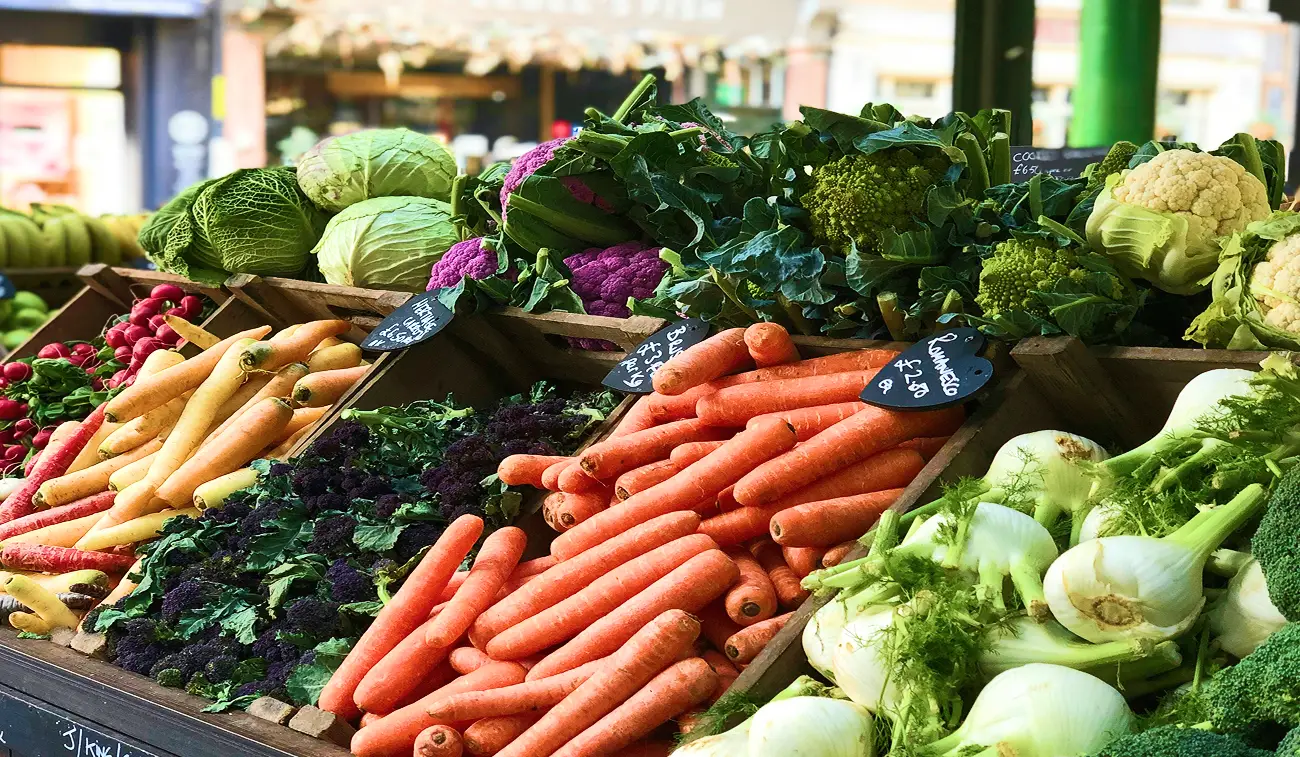
Better Food Traders are food retailers who sell organic, UK-grown produce through short, fair supply chains – meaning shoppers can trust where that food has come from, and that people, nature and the planet have been treated well in its production. This is the polar opposite of supermarkets who use greenwashing to make industrially-farmed produce look good. It’s a problem that’s hidden in plain sight.
The way most of us buy food today, mainly from supermarkets that rely on global supply chains, is costing farmers, communities and the natural world. We believe in a better way.
Right now, 95% of all UK retail food sales goes through supermarkets
That’s just 5% of food bought through independent retailers. These are the types of shops and businesses where local farmers get a fair return, and the benefits can go back into sustainable agriculture and the local community.
The majority of food is bought from a very small number of supermarkets and multinational corporations who control almost everything about how food is grown, sold and priced.
This concentration of power, where only a few people make all the decisions, has real life consequences for us all. As food policy expert Prof Tim Lang has warned, the UK urgently needs a more diverse supply chain. This means less reliance on supermarkets, and more food produced and sold locally. Without this, the UK food supply is vulnerable to serious risk.
Not only does the UK have an over-reliance on supermarkets, but the current system of food production is causing huge harm to the environment, our soils and our water sources. The UK food system is responsible for at least a fifth of our greenhouse gas emissions (nearly three times the carbon footprint of all UK flights combined*).
How a handful of supermarkets control what we eat
What they control behind the scenes
- They set the prices they pay farmers, often at levels that are unprofitable and unfair.
- They decide which fruit and vegetables get grown at scale.
- They determine whether sustainable or plant-based solutions ever reach the shelf.
- Farmers and suppliers have little power to negotiate because they have few places to sell their products.
What They Control in Your Trolley
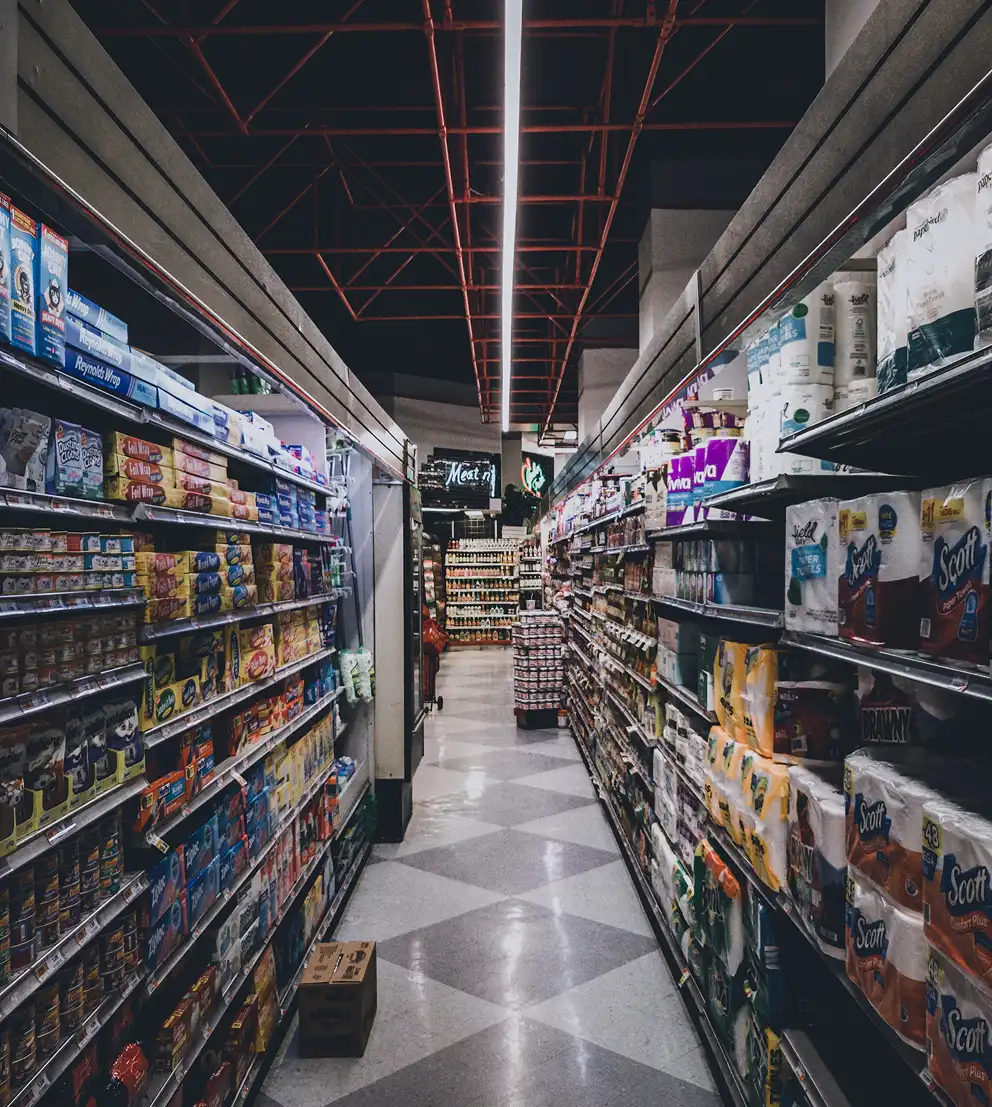
- Promotions and price cuts nudge us towards certain products – often less healthy and more laden with sugar, fat and salt.
- Shelf placement and packaging shape what feels normal to buy.
- Healthier and more sustainable options are often harder to find and more expensive, making it difficult for people with limited budgets to eat well, which is deeply unfair.
- This has knock-on effects on public health and entrenches health inequalities – poorer life expectancy for poorer people.
The Supermarket Takeover
As the big supermarkets have expanded, opening vast out-of-town stores on the edges of our towns and cities, they’ve made it nearly impossible for independent food shops to survive. One impact of this is visible on high streets up and down the country: shuttered shops, hollowed-out town centres, and communities that have lost the local businesses that once held them together.
When a few corporations control the whole food supply, we all lose out. We don’t have a say over what gets grown, how workers are treated, and whether the food on our plates is good for us or the planet. All this while their profits soar and their CEOs get richer.
Source: ‘Profits Over Purpose – Why supermarkets will make
the Food Strategy fail’ Foodrise 2025 in collaboration with BFT
Six Things That Make BFTs Better
Across the country there is already a mighty patchwork of local food producers, retailers and wholesalers challenging the dominant system.
When we say “better food traders”, we don’t just mean these enterprises put tastier or healthier food on your plate – though often that is the case. We mean they’re better for the farmers who grow it, the communities around them, and the land your food comes from. Here’s what that looks like in practice.
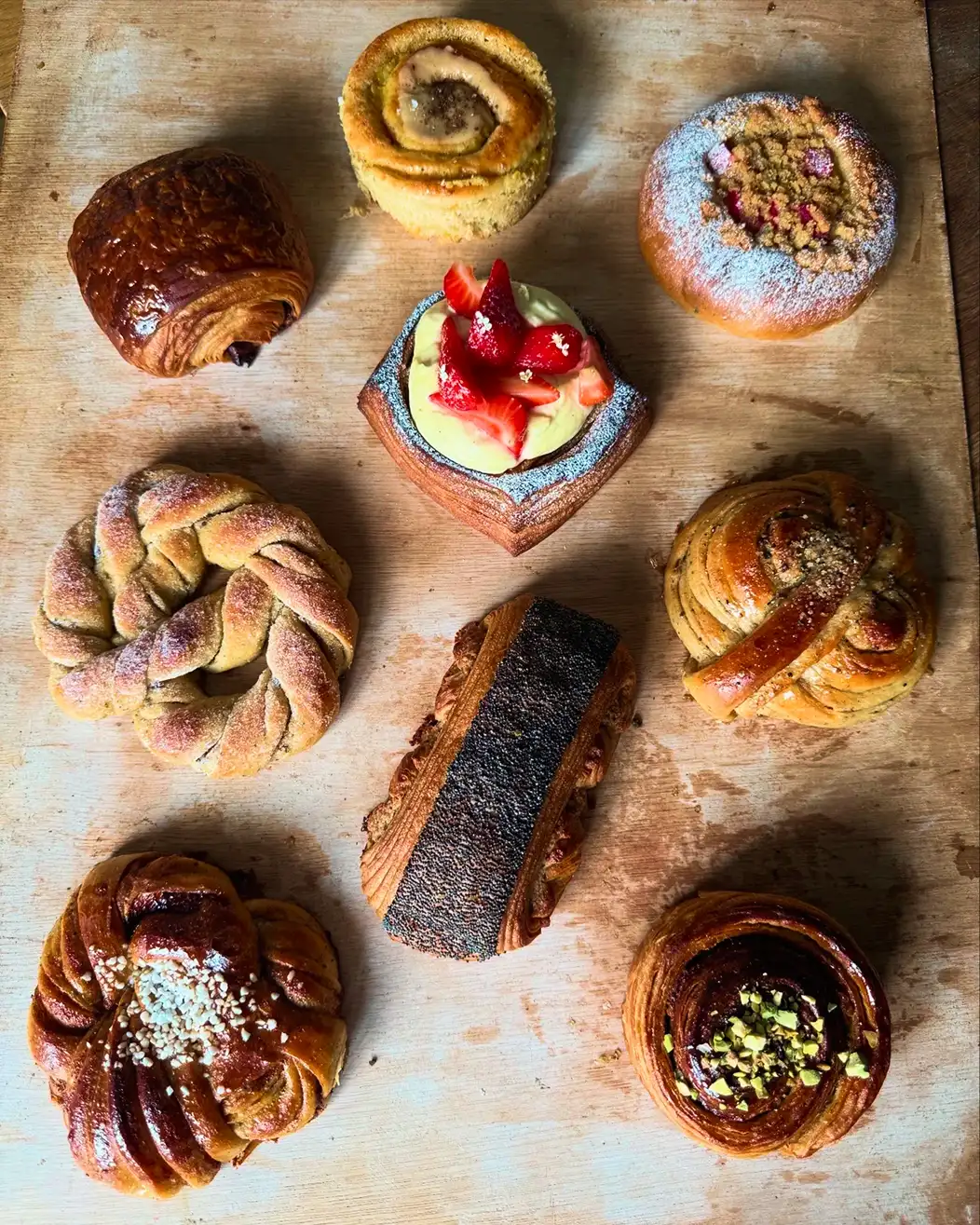
Better Food Traders are independent retailers and wholesalers – farm shops, veg box schemes, food co-ops, market traders, bakeries – who do things differently. They put community, fairness and sustainability at the heart of how they trade. When you buy from one of them, the difference is real.
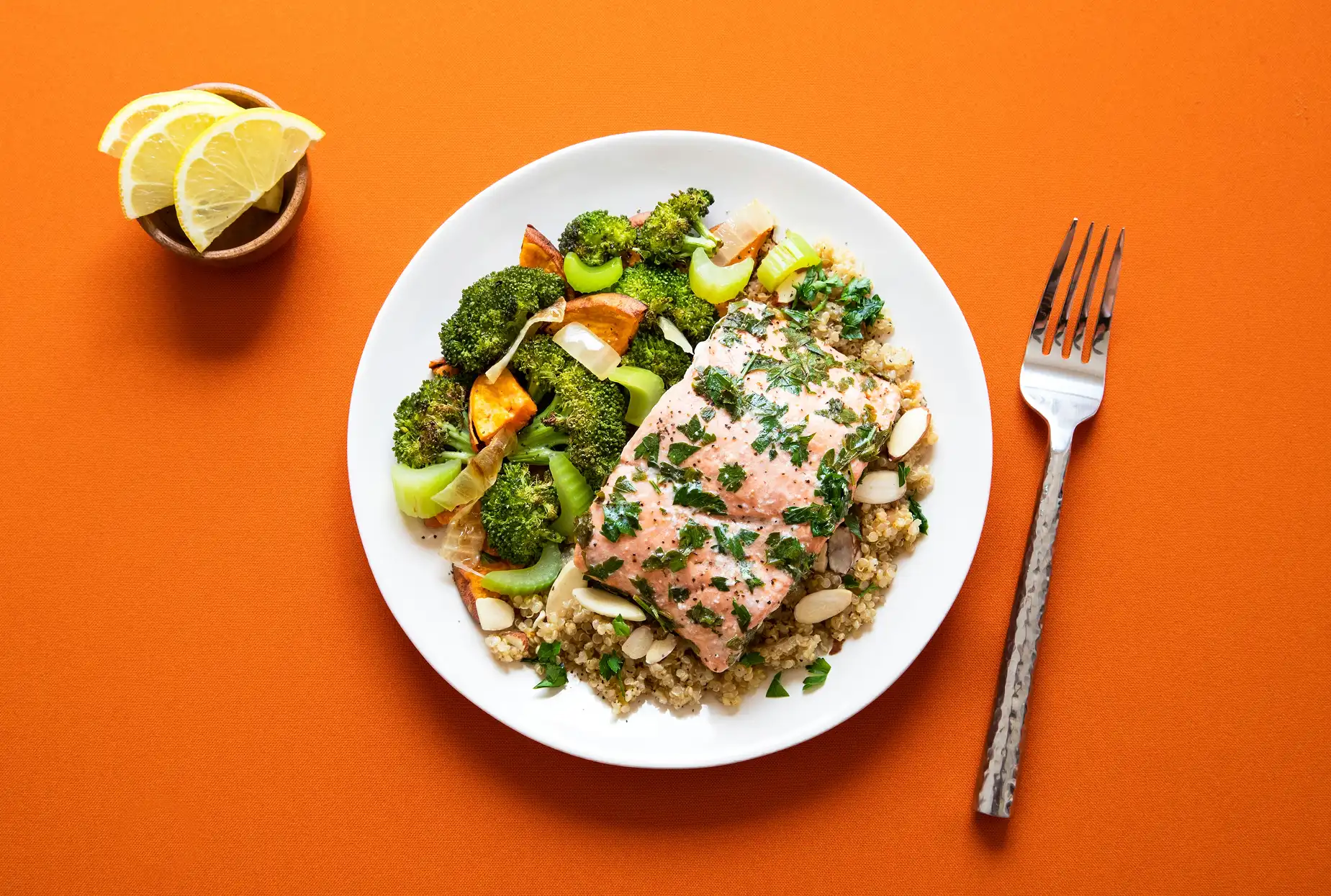
Shorter field-to-fork journeys
Lorem ipsum dolor sit amet, consectetur adipiscing elit. Aenean elementum, magna a blandit elementum, quam sapien molestie risus, in condimentum diam urna et urna. Sed lacus tellus, sollicitudin at lectus sed, laoreet aliquet velit. Vestibulum ligula leo, auctor et sapien nec, cursus laoreet lectus. Cras ultricies euismod mi, vel feugiat lectus placerat non.
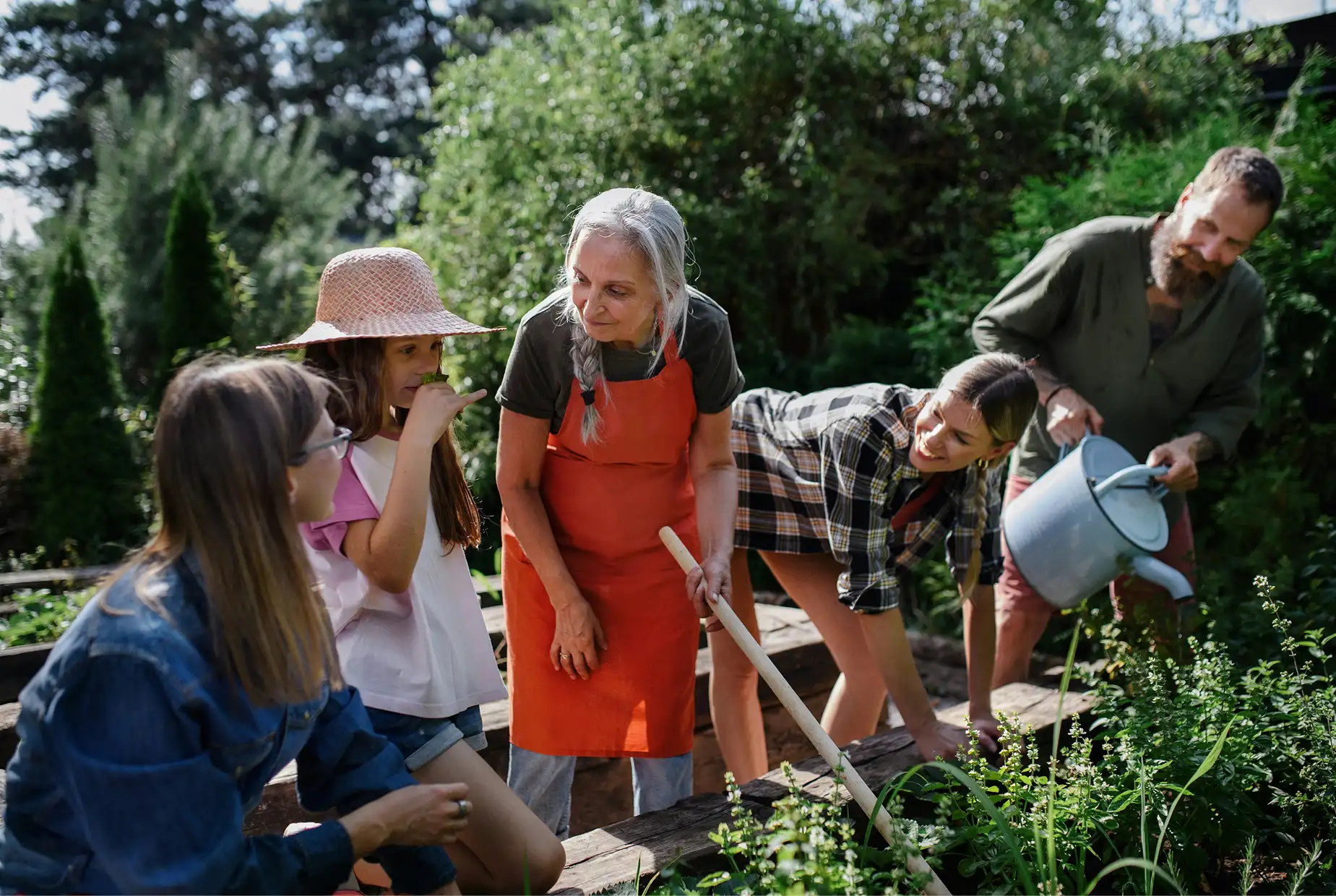
Food that strengthens communities
Lorem ipsum dolor sit amet, consectetur adipiscing elit. Aenean elementum, magna a blandit elementum, quam sapien molestie risus, in condimentum diam urna et urna. Sed lacus tellus, sollicitudin at lectus sed, laoreet aliquet velit. Vestibulum ligula leo, auctor et sapien nec, cursus laoreet lectus. Cras ultricies euismod mi, vel feugiat lectus placerat non.
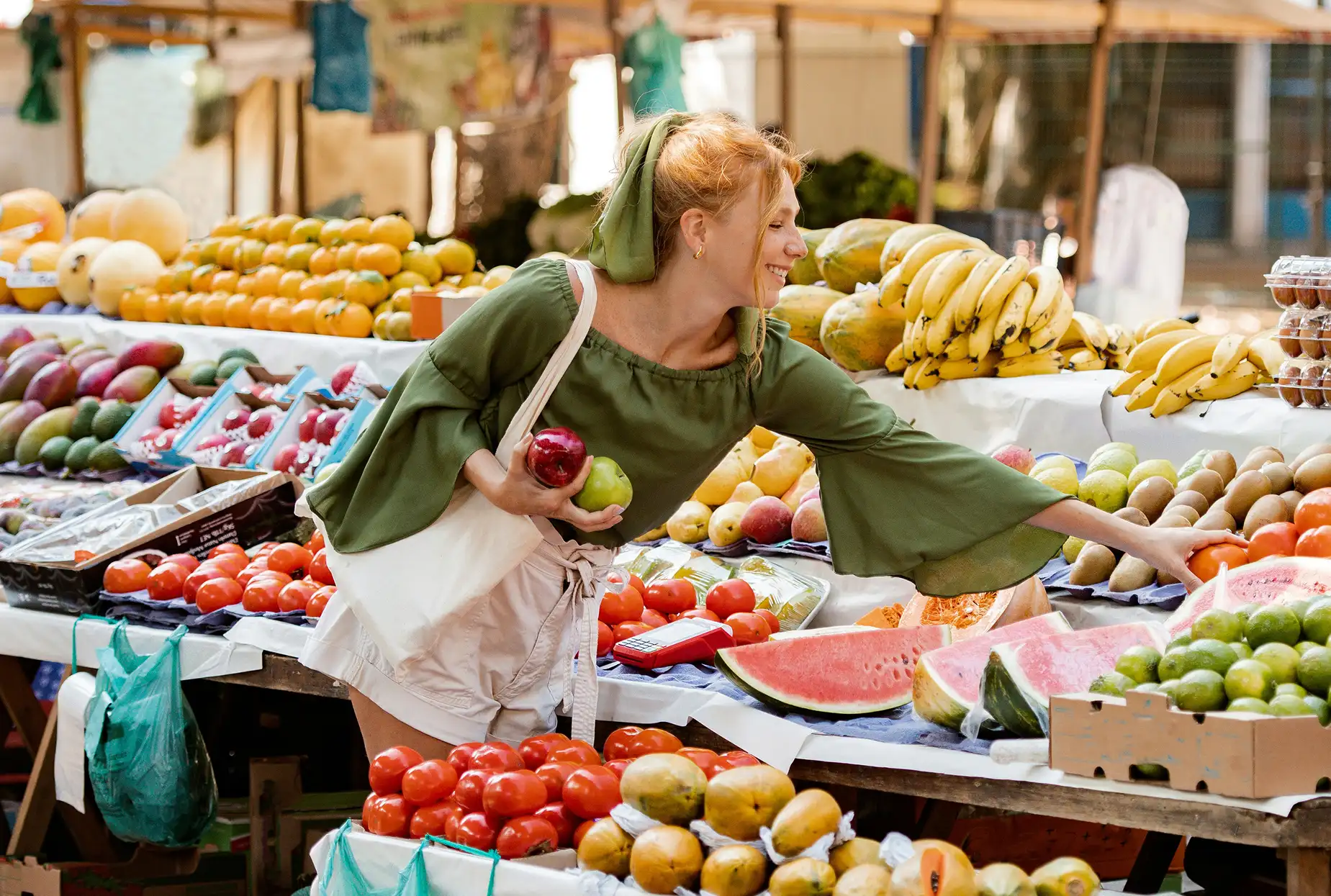
More routes to market
Lorem ipsum dolor sit amet, consectetur adipiscing elit. Aenean elementum, magna a blandit elementum, quam sapien molestie risus, in condimentum diam urna et urna. Sed lacus tellus, sollicitudin at lectus sed, laoreet aliquet velit. Vestibulum ligula leo, auctor et sapien nec, cursus laoreet lectus. Cras ultricies euismod mi, vel feugiat lectus placerat non.
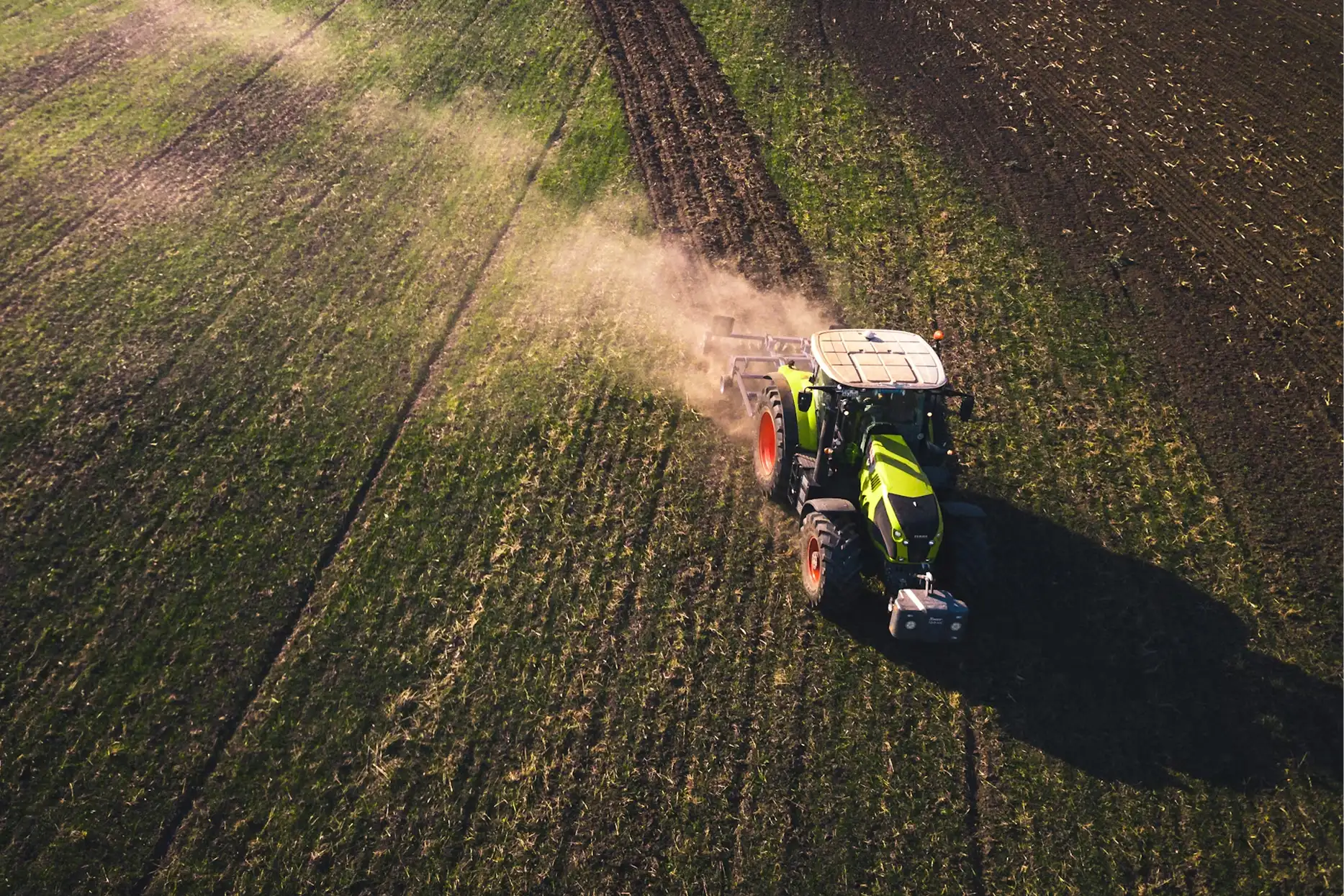
Farming that works with nature
Lorem ipsum dolor sit amet, consectetur adipiscing elit. Aenean elementum, magna a blandit elementum, quam sapien molestie risus, in condimentum diam urna et urna. Sed lacus tellus, sollicitudin at lectus sed, laoreet aliquet velit. Vestibulum ligula leo, auctor et sapien nec, cursus laoreet lectus. Cras ultricies euismod mi, vel feugiat lectus placerat non.
Fairness built in
The current food system routinely squeezes the people who grow and handle our food. Better means fairness is built in throughout the chain i.e. farmers get paid what their work is worth, workers earn a living wage, and honest prices for customers rather than prices driven
A food system with real resilience
Lorem ipsum dolor sit amet, consectetur adipiscing elit. Aenean elementum, magna a blandit elementum, quam sapien molestie risus, in condimentum diam urna et urna. Sed lacus tellus, sollicitudin at lectus sed, laoreet aliquet velit. Vestibulum ligula leo, auctor et sapien nec, cursus laoreet lectus. Cras ultricies euismod mi, vel feugiat lectus placerat non.
- National Food Strategy (2021) states that the food system accounts for approximately 19% of domestic UK greenhouse gas emissions, rising to ~30% when imported food is included. Department for Energy Security and Net Zero, provisional UK greenhouse gas emissions figures (2023). International aviation: 32.9 MtCO₂e. Note: food and aviation figures use different baseline years; the comparison is a reasonable approximation. Available at: https://www.nationalfoodstrategy.org/the-report/
- European Environment Agency (EEA), How Pesticides Impact Human Health and Ecosystems in Europe, Briefing No. 06/2023, published 26 April 2023. Available at: https://www.eea.europa.eu/en/analysis/publications/how-pesticides-impact-human-health
- Royal Society for the Protection of Birds (RSPB), Fertilisers and Farming, RSPB, Available at: https://www.rspb.org.uk/helping-nature/what-we-do/influence-government-and-business/farming/fertilisers-and-farming